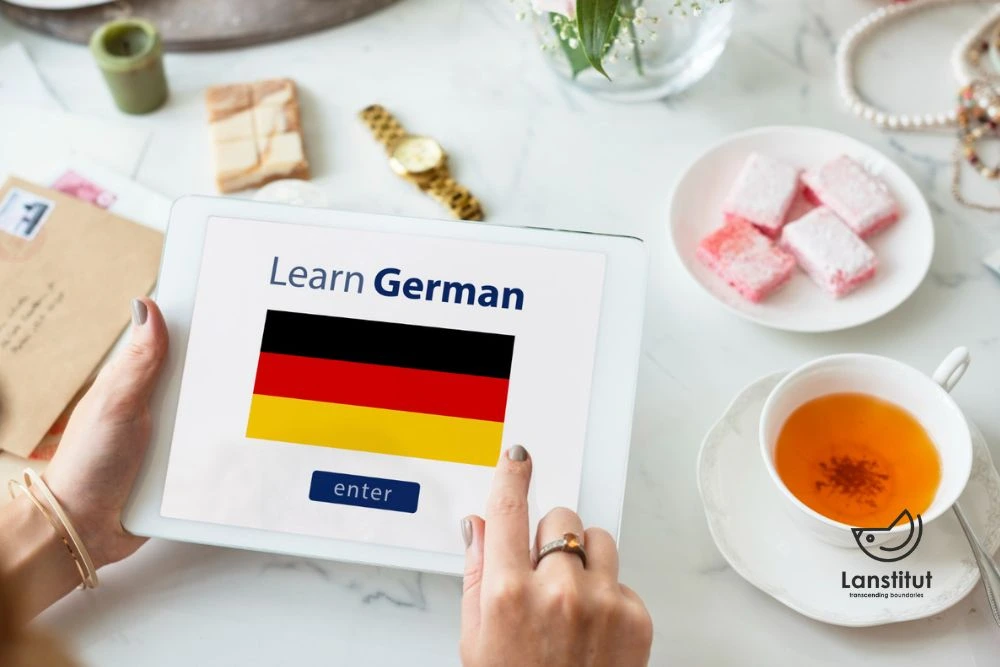
Learning German has become a valuable skill for students, professionals, and healthcare workers planning to build a future in Germany. As one of the most widely spoken languages in Europe and the official language of Germany, Austria, and parts of Switzerland, German opens doors to global education, career opportunities, and cultural experiences.
If you're wondering how to learn German effectively, this guide covers everything — from beginner steps to advanced learning strategies, helping you start your journey with confidence.
German is more than just a language. It is a career gateway.
Germany has a strong economy, world-class universities, and a growing demand for skilled professionals, especially in healthcare, engineering, and IT. Many employers and institutions require German language proficiency, making early language training essential for success.
Learning German also helps with:
German follows the CEFR framework, divided into:
Starting at A1 builds a strong foundation. Progressing level by level ensures better grammar control, vocabulary, and speaking confidence.
Self-learning apps can help, but structured training with expert guidance ensures faster and more accurate progress.
A professional German language course provides:
This structured approach keeps learning consistent and goal-oriented.
Consistency is key when learning German.
Effective daily habits include:
Even 30–45 minutes of daily practice can show visible improvement over time.
Many learners understand German but struggle to speak. The solution is early speaking practice.
Ways to improve speaking:
Confidence grows through regular speaking exposure. At Lanstitut, the best German language institute in Bangalore, Kochi, Calicut, and Mangalore, we provide the best practices for improving language skills early.
German grammar may seem challenging at first, but it becomes easier with guided learning.
Key grammar areas include:
A good training program simplifies grammar through examples and practice exercises. If you are in India, you have numerous ways to learn German. Lanstitut is the perfect choice for learn the German language course in Kozhikode, Bangalore, Kochi, and Mangalore.
Instead of memorizing random words, learn vocabulary based on real-life situations:
This makes communication more natural and practical.
German language certifications are often required for:
A structured course prepares learners for recognized exams aligned with CEFR standards.
Language learning becomes easier when combined with cultural understanding. Knowing workplace etiquette, communication style, and social norms helps learners adapt faster when moving to Germany.
Guided training and regular feedback help avoid these challenges.
Timelines vary based on practice and training quality:
With professional guidance and regular practice, progress becomes faster and smoother.
Learning German independently is possible, but professional training provides:
This is especially important for learners planning to work or study in Germany.
Learning German is a long-term investment in your future. With the right guidance, consistent practice, and structured training, mastering the language becomes achievable and rewarding.
Whether your goal is higher education, healthcare careers, or international employment, starting your German learning journey today puts you ahead tomorrow.