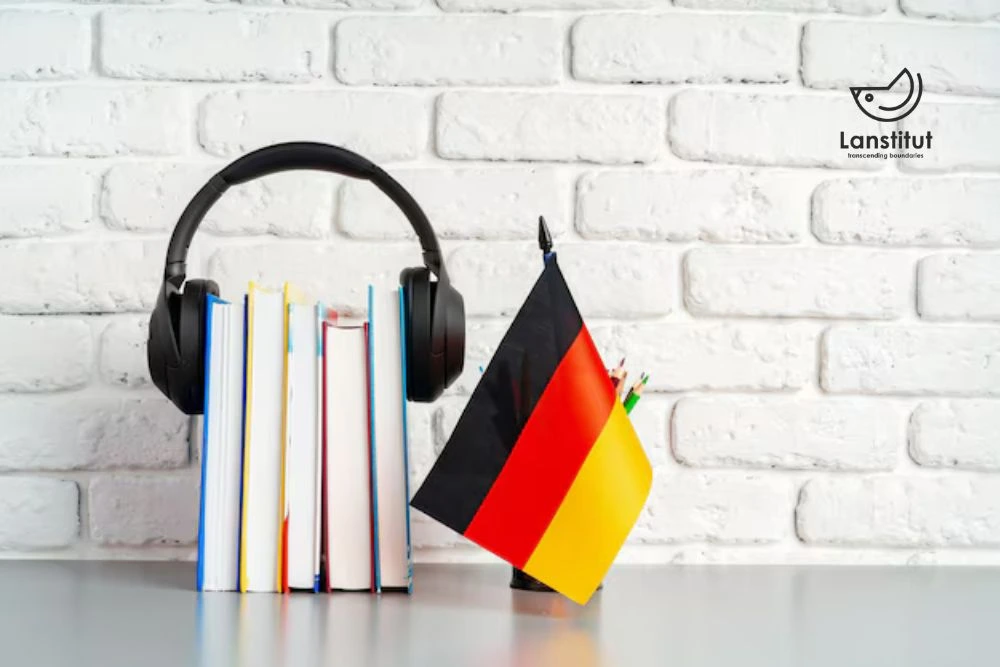
Germany is one of the most sought-after destinations for healthcare professionals worldwide. With a strong healthcare system, attractive salaries, and a growing demand for skilled workers, the country actively recruits nurses, doctors, and allied healthcare professionals from abroad.
One common question arises before starting this journey: Is the German language mandatory for healthcare jobs in Germany?
The short answer is yes. German language proficiency is essential. However, the level required depends on the role and registration process. Let’s explore this in detail.
Healthcare is a field where communication can directly impact patient safety and treatment outcomes. In Germany, healthcare professionals interact daily with patients, doctors, nurses, insurance providers, and government authorities primarily in German.
Key reasons language proficiency is mandatory:
Because of this, German authorities and employers require certified German language skills before allowing foreign professionals to practice.
Most German states insist on B2-level German, especially for direct patient care roles.
Doctors must pass a medical language exam that tests clinical communication, patient interaction, and documentation skills.
In most cases, no. Germany does not allow foreign healthcare professionals to work independently without a German language certification.
However, there are exceptions:
This is why starting German language learning early is crucial. By joining Lanstitut, the best German language institute in Calicut, Kochi, Bangalore, and Mangalore, you can easily catch up German language.
A structured language program makes the process smoother and faster. Institutes specializing in healthcare-focused German training prepare candidates for:
Lanstitut is known for providing German language training tailored for healthcare professionals, focusing on practical communication rather than generic learning. The training emphasizes:
Such focused training helps candidates meet language requirements confidently and reduces delays in recruitment and licensing.
Healthcare professionals with strong German skills often progress faster in their careers.
Yes. Most states require B2-level German for nursing registration and employment.
No. Doctors must demonstrate B2 general German and C1 medical German to obtain a license.
Commonly accepted exams include Goethe, Telc, and ÖSD, depending on the federal state.
With structured training, it typically takes 8–12 months, depending on learning intensity and background.
Yes. Lanstitut focuses on German language training aligned with healthcare recruitment and professional requirements.
The German language is not just a requirement; it is a professional necessity for healthcare jobs in Germany. From patient safety to career growth, language skills play a decisive role.
Starting early with the right training partner, such as Lanstitut, can significantly improve success rates and make the transition into the German healthcare system smoother and faster.