
Achieving fluency in German is a goal for many students and professionals aiming to study, work, or settle in Germany. While learning basic vocabulary and grammar is the first step, true fluency goes beyond that. It involves the ability to communicate clearly, understand native speakers, and express ideas naturally in real-life situations. Here you can read the complete tip by Lanstitut for becoming fluent in the German language.
German language fluency is not about perfection. It is about confidence, clarity, and consistency in communication. With the right approach and regular practice, anyone can become fluent in German.
German language fluency refers to the ability to speak, understand, read, and write German comfortably without constantly translating from your native language.
A fluent German speaker can:
Fluency develops gradually as learners progress through different language levels.
Fluency is usually associated with B2, C1, or higher levels of German.
For most career opportunities in Germany, especially in healthcare and professional sectors, B2 level fluency is considered sufficient.
The time required to achieve fluency depends on consistency and learning methods.
Typical timeline:
With regular practice and structured training, learners can reach fluency faster.
Fluency is built by developing all four language skills.
Speaking is the most important part of fluency. Regular practice helps improve confidence and pronunciation.
Listening helps learners understand native speakers and different accents. It improves comprehension and response time.
Reading helps build vocabulary and improves understanding of sentence structure.
Writing improves grammar, vocabulary usage, and clarity in communication.
Many learners face challenges while trying to become fluent in German.
German grammar can be challenging, especially with cases and sentence structure.
Many learners focus on theory but do not practice speaking enough.
Fear of errors often prevents learners from speaking confidently.
A small vocabulary can make communication difficult.
Fluency can be achieved faster with the right strategies.
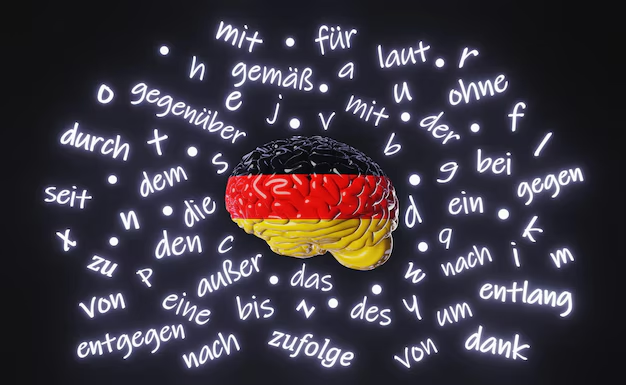
Speak German every day, even if it is for a short time. Practice simple conversations to build confidence.
Try to think in German instead of translating from your native language. This improves natural communication.
Learn new words regularly and use them in sentences.
Watch German videos, listen to podcasts, or follow German conversations to improve listening skills.
Reading books, articles, and simple texts helps improve understanding and vocabulary.
Writing emails, notes, or short paragraphs helps improve grammar and sentence formation.
Structured training helps learners avoid mistakes and progress faster.
German language fluency is essential for many career opportunities in Germany.
Professionals such as:
require strong communication skills to work and live in Germany.
Employers prefer candidates who can communicate effectively in German, especially at B1 or B2 level.
Real-life practice improves fluency significantly.
Try:
Consistent real-life practice helps learners become comfortable using German.
Lanstitut offers structured German language training designed to help learners achieve fluency with confidence.
Training is available from A1 to B2 levels, focusing on all essential language skills, including speaking, listening, reading, and writing. The learning approach includes practical communication, grammar training, and exam preparation.
Lanstitut supports students and professionals through:
Training is available across Lanstitut’s best German language institute in Calicut, Kochi, Bangalore, Domlur, Chennai and Mangalore, along with flexible online classes for convenient learning.
You may be reaching fluency if:
Fluency develops gradually with continuous practice.
German language fluency is achievable with the right approach, dedication, and consistent effort. While the learning process may seem challenging at first, it becomes easier as learners gain confidence and experience.
The key to fluency is regular practice, real-life communication, and structured learning. With proper guidance and commitment, anyone can become fluent in German and unlock global opportunities.
Fluency in German not only improves career prospects but also opens the door to education, cultural experiences, and a successful future in Germany.